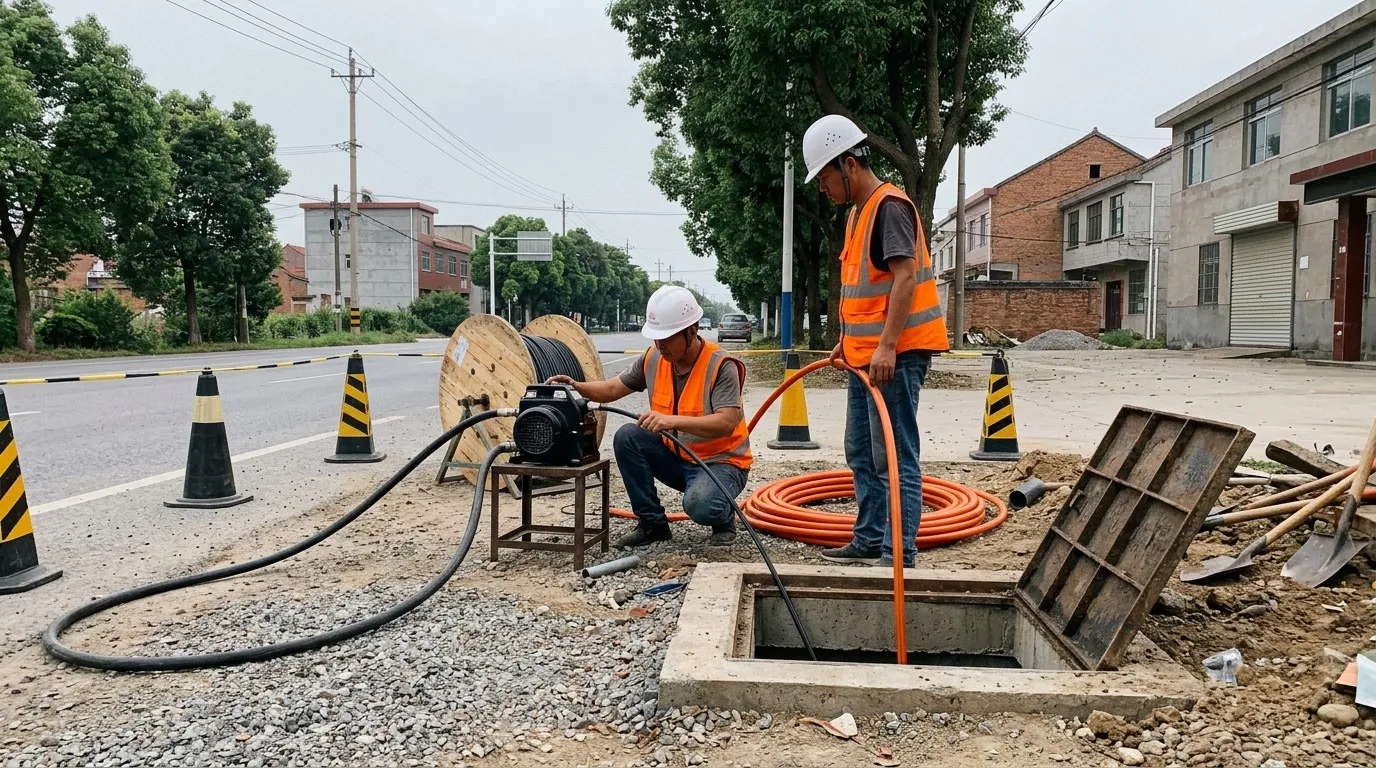
Fibre-optic cable blowing — quiet enough for city nights
Cable blowing needs steady medium-pressure, high-flow air; the work moves along the duct, often at night in town, so noise is the key concern
Help me chooseTypical challenges
01
Night work in town risks noise complaints
02
The job moves along the duct, so mobility matters
03
Air supply that doesn't match the blowing machine wastes energy
04
Duct size and blowing distance change pressure and flow needs
What compressed air does here
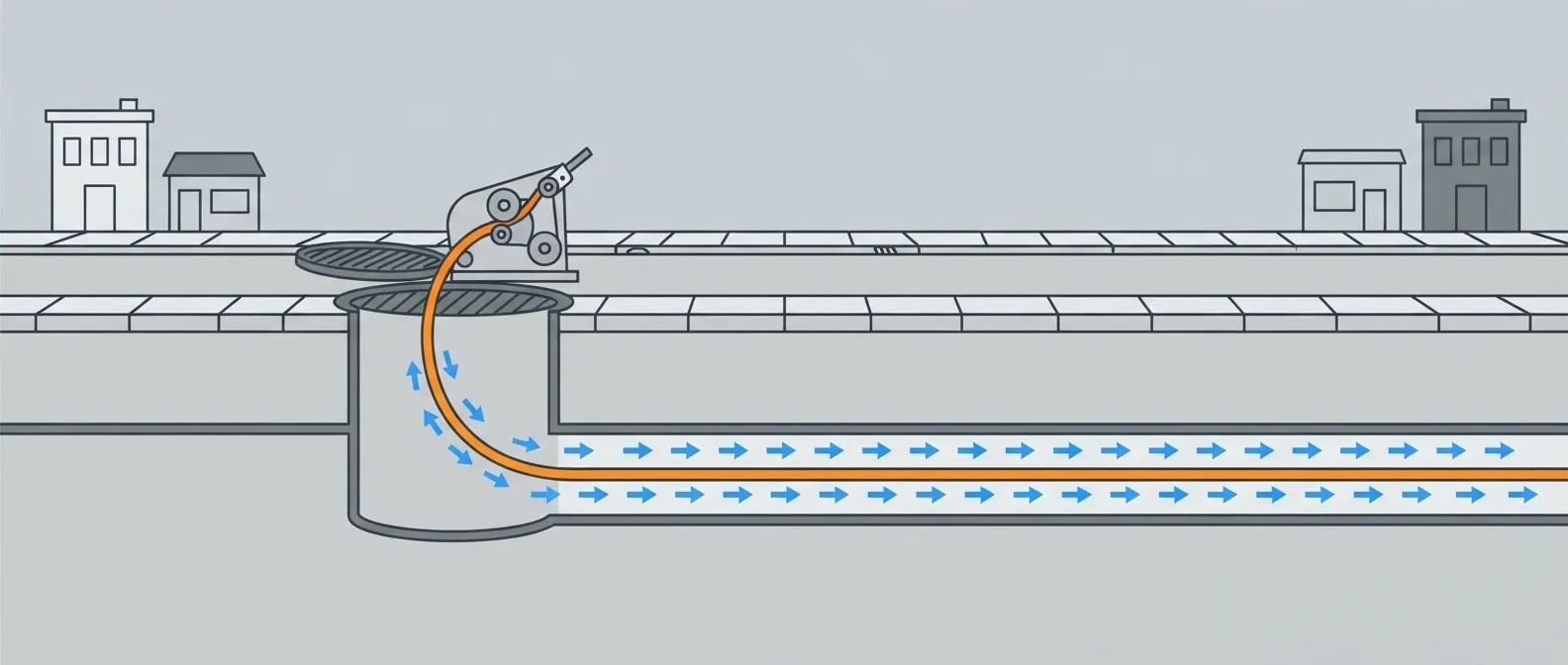
Driving the blowing machine
Medium-pressure, high-flow air powers the cable blowing machine
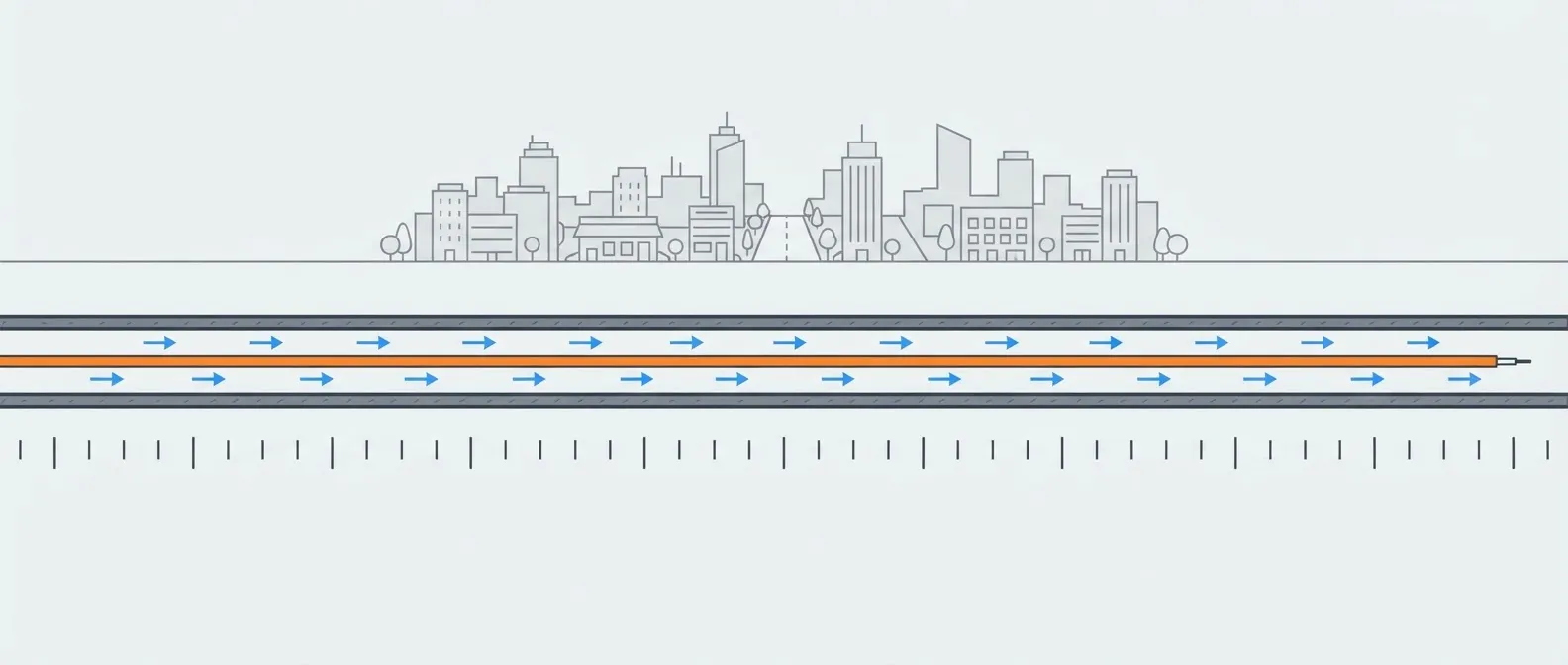
Steady blowing
Stable pressure and flow decide blowing distance and success rate
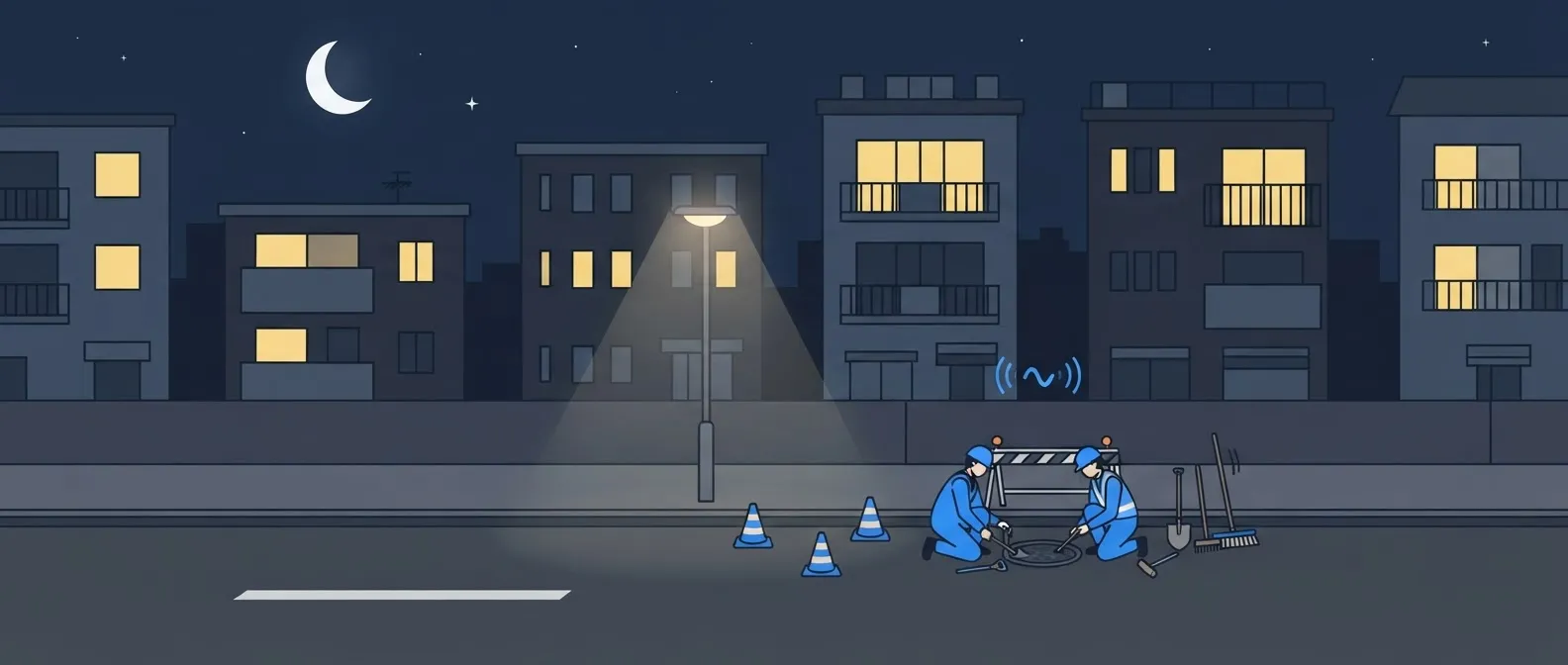
Quiet night work
A low-noise unit is a precondition for night work in town
Recommended configuration
Typical hole size / depth / duty
Depends on duct size and blowing distance
Recommended pressure & air delivery
Medium pressure, high flow — 16 m³/min @ 10 bar typical
Recommended models
- LGDY90-16/10View model ›
Results
No noise complaints during night work; consistent blowing distance and success rate (from a telecom duct project in south China)
Recommendations
- Size pressure and flow to duct size and distance — avoid oversizing
- Choose a low-noise model for night work in town
- Match mobility to how often the job moves
Cable blowing — FAQ
How much air does cable blowing need?
+
It depends on duct size and distance — usually medium pressure and high flow. Avoid oversizing.
What noise level is needed for night work?
+
Limits vary by location; choose a low-noise acoustic design and follow local rules.
Is mobility important?
+
Yes — the job moves along the duct, so choose a configuration that is easy to tow.